• Important souls: Anna’s story a sad tale through an abusive mental health system

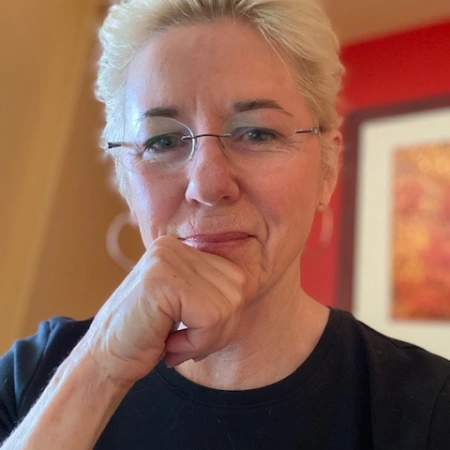
    Anna Jennings was an artist who suffered trauma, including sexual abuse, as a child. When she entered the mental health system, she suffered further trauma at their hands. As the description on the YouTube page of this video says: Out of her tragic death, and the deaths and abuses of many other trauma survivors, rose a movement to transform all social service systems to be “trauma-informed.” Ann Jennings, her mother, was an integral part of that movement. Over the last 20 years, there’s been a huge push in social services agencies to “recognize trauma as central to the experience of the vast majority of people” who come to these agencies for help.

    Twenty years ago, when Ann Jennings gave her first talk about her daughter’s experience and the paradigm shift that was needed in the field, it was to a group of 200 psychiatric nurses. Three-quarters of them walked out.

    In an interview for a post about the history of the trauma-informed movement, which I’m working on now, Ann Jennings told me:  ”You get killed if you’re the messenger.”

    The thinking then was that only a few people who entered the mental health system had experienced childhood trauma; now it’s recognized that almost all do. “We have a punitive paradigm going in this country,” says Jennings. “It’s changing slowly, but it makes it very, very difficult to deal with things like addressing parents and families. We’re all at-risk families. It’s all over the place.”

    The director of this video is Susan Salasin, another pioneer. During her 40 years with the Substance Abuse and Mental Health Services Administration, she led the emergence of the trauma-informed movement. She worked with Andy Blanch and Joan Gillece of NCTIC (National Center for Trauma Informed Care), and with Leah Harris of the National Empowerment Center to produce this video for the Harvard Program for Refugee Trauma.

  • Empathy…or “if we could see inside other people’s hearts” — a touching video

    This touching video was put together by the Cleveland Clinic and posted as “Empathy: The Human Connection to Patient Care” on Feb. 27, 2013 on the clinic’s YouTube channel. (Everyone Matters wrapped their logo around it, gave it a catchier title — “If we could see inside other people’s hearts” and published on their YouTube channel on March 20.)

    You could take this approach beyond the hospital setting to Anywhere, USA/Canada/Australia/Mexico/Kenya, etc. And you could place it in any school, mental health clinic, prison, court, social services waiting room, or workplace. It goes to the heart of the trauma-informed/resilience/compassion approach of asking: “What happened to you?”, not “What’s wrong with you?”

    A woman once told me a story of how her world shifted after she learned about the CDC’s ACE Study, epidemiological research that revealed the link between childhood trauma and the adult onset of chronic disease, depression, violence and being a victim of violence. She said she never looked at homeless people the same again. Instead of regarding them as “lazy” and wondering why they just didn’t pull themselves together and get a job, she realized that they were survivors — just barely — of the worst things that people do to each other and systems do to people.

Follow

Get every new post delivered to your Inbox.

Join 1,319 other followers